The GLAAS report, presented by WHO and UNICEF in January 2026 for UN-Water, analyses how well countries manage drinking water, sanitation and hygiene.
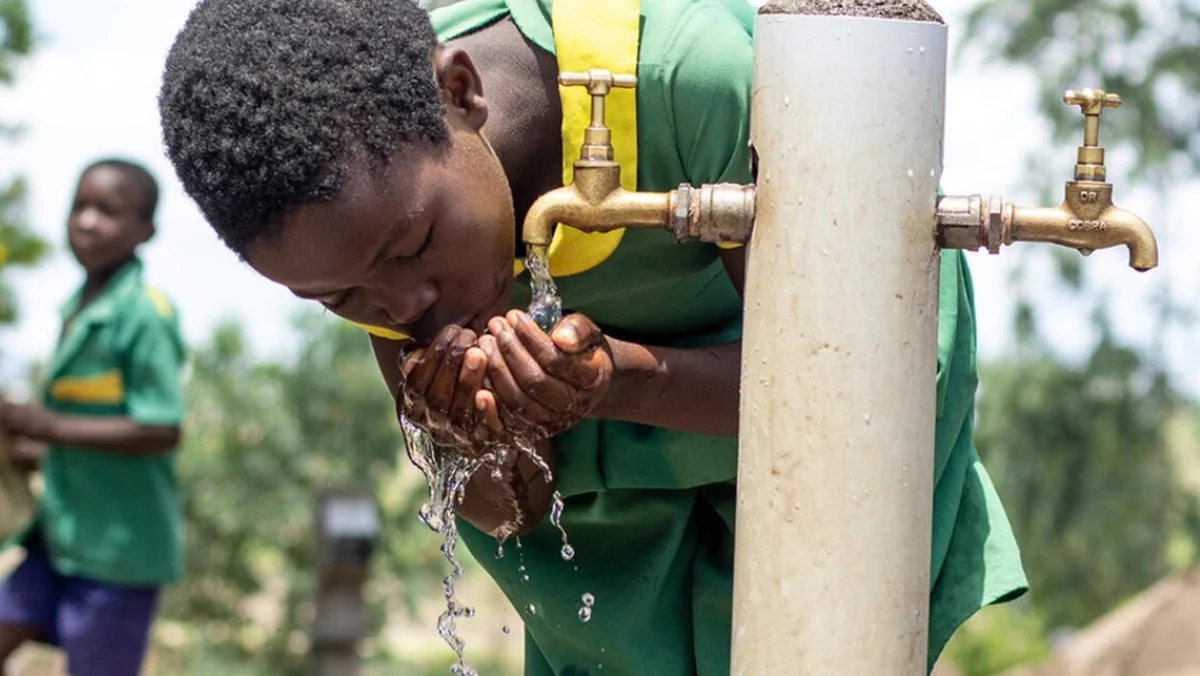
What the news says
- Fewer than half of the countries publish public reports on drinking-water quality.
- Only about one-fifth carry out drinking-water surveillance at nearly the required frequency.
- At least 1.4 million people died in 2019 from preventable causes linked to unsafe water and poor sanitation.
- In 2024 there were over 560,000 cholera cases and 6,000 deaths in 60 countries.
Why it matters for the water you drink
If the quality of tap water is not measured and published regularly, citizens cannot know what they are drinking. Having your own, controlled source gives you an extra margin of confidence.
Where AguaPARS fits in
AguaPARS publishes the laboratory analyses of the water its generators produce, so anyone can check them. The machine also alerts you when the filters must be changed, which is part of keeping the quality.
How AguaPARS water is made, and its limits
AguaPARS generators make drinking water by condensing the humidity of the air. The air first passes through a HEPA filter and an activated-carbon filter; the water is kept in contact with UV light and goes through physical, mineral and carbon filtration before it reaches the tap. The analyses of the water generated by AguaPARS, carried out in accredited laboratories in Spain, found no microplastics or chemical contaminants; you can see the reports on our technology page. Limits: the machines need at least 25 % relative humidity and 15 °C, they use electricity (0.24 to 0.42 kWh per litre depending on the model) and they are designed for drinking water, not for irrigation.
Want to know which model fits your home or business? See all models, try the water calculator or contact us.
Source
Source: WHO, 26 January 2026.
This article summarises facts reported by the source above. AguaPARS has not verified them independently. Figures and dates are those of the source.
