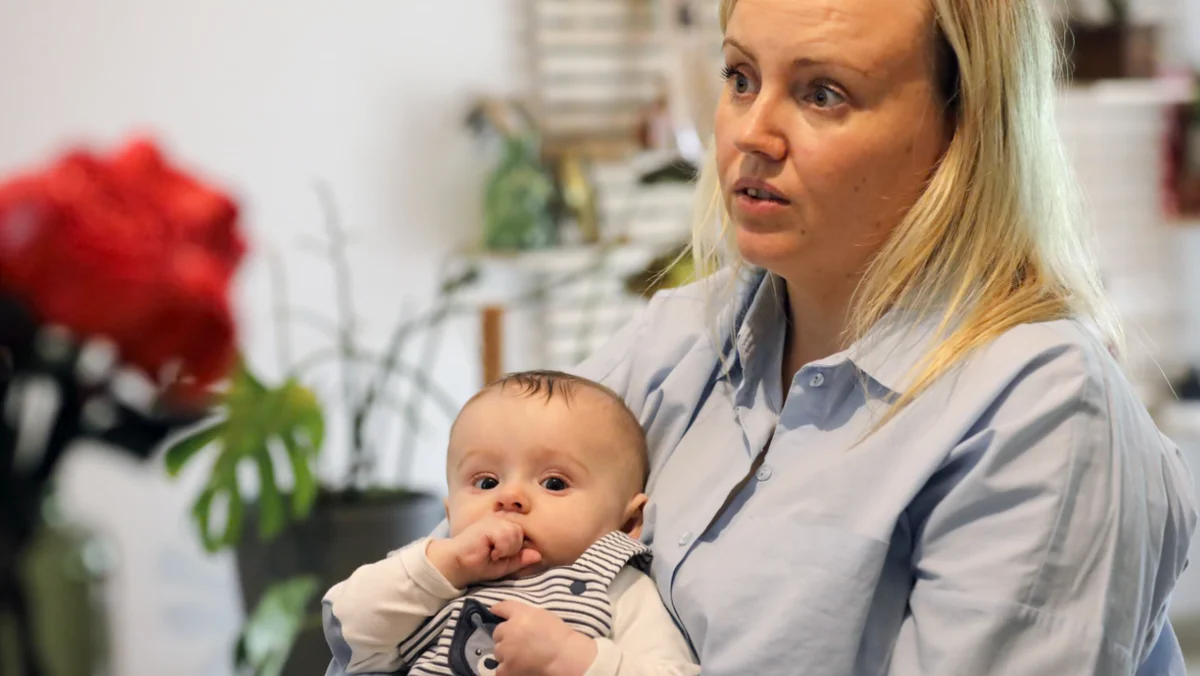
In 2025, around 60,000 people in the Saint-Louis area, in eastern France, including infants and pregnant women, were told to stop drinking tap water because of PFAS contamination.
What the news says
- The PFAS were traced to decades of firefighting foam used at a nearby airport.
- Tests found levels about four times the EU safety limit that was about to be enforced.
- The contamination was first identified in 2017; critics accuse the authorities of inaction.
- Researchers warn that similar problems may exist elsewhere in Europe, with over 2,300 sites already above the upcoming limits.
Why it matters for the water you drink
This case shows how a pollution problem can be known for years before people stop drinking the water. For families, the practical question is what to drink while the source is being cleaned.
Where AguaPARS fits in
An AguaPARS generator gives a source of drinking water that does not depend on the polluted supply. It needs electricity and air with at least 25 % relative humidity and 15 °C, and it is meant for drinking and cooking.
How AguaPARS water is made, and its limits
AguaPARS generators make drinking water by condensing the humidity of the air. The air first passes through a HEPA filter and an activated-carbon filter; the water is kept in contact with UV light and goes through physical, mineral and carbon filtration before it reaches the tap. The analyses of the water generated by AguaPARS, carried out in accredited laboratories in Spain, found no microplastics or chemical contaminants; you can see the reports on our technology page. Limits: the machines need at least 25 % relative humidity and 15 °C, they use electricity (0.24 to 0.42 kWh per litre depending on the model) and they are designed for drinking water, not for irrigation.
Want to know which model fits your home or business? See all models, try the water calculator or contact us.
Source
Source: The Guardian (via Environmental Health News), 2 July 2025.
This article summarises facts reported by the source above. AguaPARS has not verified them independently. Figures and dates are those of the source.
