
On 2 June 2026, the UK Drinking Water Inspectorate announced that South West Water was fined a record £1,853,000 for the drinking-water failures that led to the Brixham outbreak in 2024.
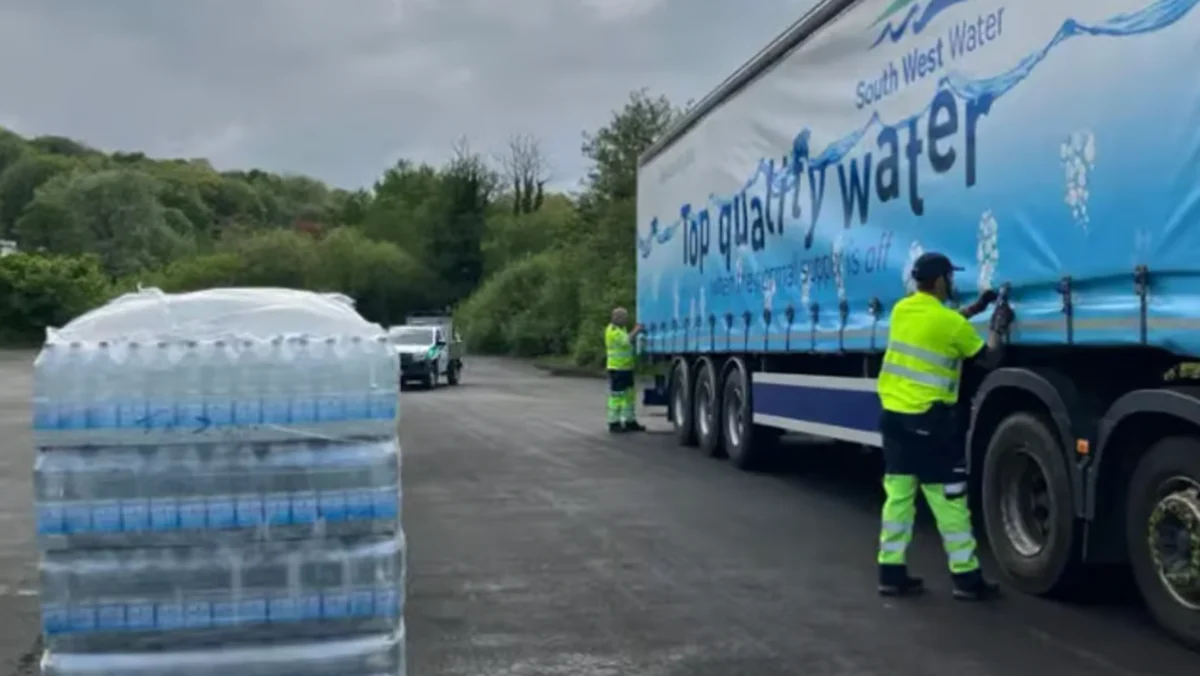
What the news says
- The parasite Cryptosporidium, from animal faeces, entered the network on farmland, likely through a faulty, exposed air valve covered in mud.
- A boil water notice was in force from 15 May to 8 July 2024, about two months.
- Over 390 customer contacts reported illness.
- The regulator describes it as the highest fine ever for a drinking-water offence.
Why it matters for the water you drink
Even in a country with strict regulation, a small failure in the network can contaminate the supply of thousands of households. For two months, residents had to boil all their drinking water.
Where AguaPARS fits in
An AguaPARS generator adds UV treatment and filtration inside the machine, and it is independent of the mains network. It is a practical backup source of drinking water for homes and businesses.
How AguaPARS water is made, and its limits
AguaPARS generators make drinking water by condensing the humidity of the air. The air first passes through a HEPA filter and an activated-carbon filter; the water is kept in contact with UV light and goes through physical, mineral and carbon filtration before it reaches the tap. The analyses of the water generated by AguaPARS, carried out in accredited laboratories in Spain, found no microplastics or chemical contaminants; you can see the reports on our technology page. Limits: the machines need at least 25 % relative humidity and 15 °C, they use electricity (0.24 to 0.42 kWh per litre depending on the model) and they are designed for drinking water, not for irrigation.
Want to know which model fits your home or business? See all models, try the water calculator or contact us.
Source
Source: Drinking Water Inspectorate (UK), 2 June 2026.
This article summarises facts reported by the source above. AguaPARS has not verified them independently. Figures and dates are those of the source.
