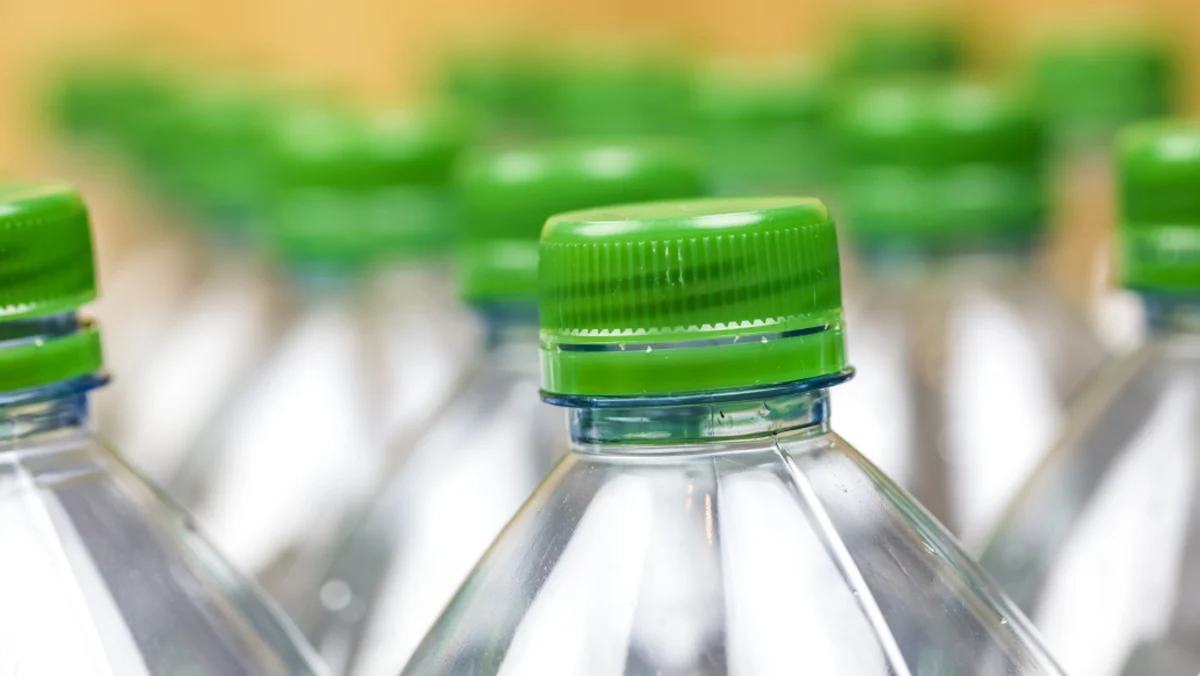
A study from Ohio State University, published in February 2026, compared nanoplastics in treated tap water and in bottled water. The result surprised many people.
What the news says
- The researchers tested water from four treatment plants near Lake Erie and six bottled water brands.
- Bottled water contained about three times as many nanoplastic particles as treated tap water.
- More than half of all the particles detected were nanoplastics.
- The most common plastics in bottled water came from the packaging itself.
Why it matters for the water you drink
The effects of nanoplastics on health are not fully understood, but because of their tiny size they may cross biological barriers more easily. The study suggests that plastic bottles themselves can be a source of the particles people try to avoid.
Where AguaPARS fits in
AguaPARS water is produced without plastic containers in the process, and the analyses of the water generated by AguaPARS, available on our technology page, found no microplastics. You can serve it from the machine into a glass or a reusable jug.
How AguaPARS water is made, and its limits
AguaPARS generators make drinking water by condensing the humidity of the air. The air first passes through a HEPA filter and an activated-carbon filter; the water is kept in contact with UV light and goes through physical, mineral and carbon filtration before it reaches the tap. The analyses of the water generated by AguaPARS, carried out in accredited laboratories in Spain, found no microplastics or chemical contaminants; you can see the reports on our technology page. Limits: the machines need at least 25 % relative humidity and 15 °C, they use electricity (0.24 to 0.42 kWh per litre depending on the model) and they are designed for drinking water, not for irrigation.
Want to know which model fits your home or business? See all models, try the water calculator or contact us.
Source
Source: Ohio State University News, 2 February 2026.
This article summarises facts reported by the source above. AguaPARS has not verified them independently. Figures and dates are those of the source.
