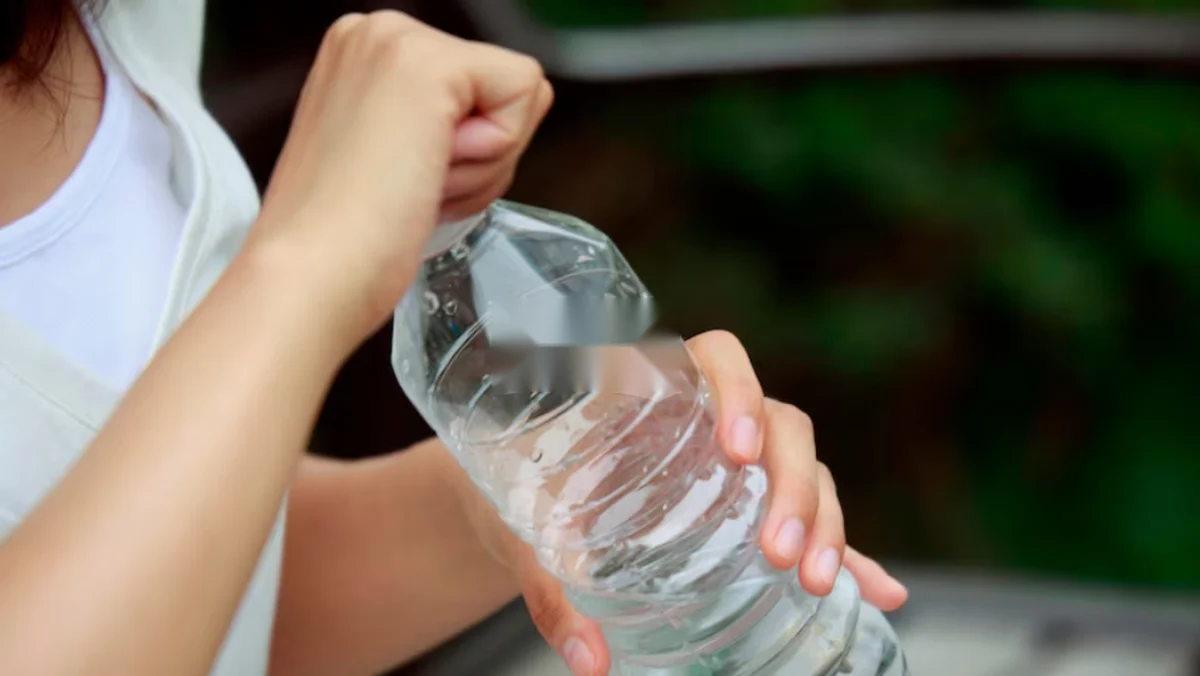
Researchers from Columbia University and Rutgers University used a new laser technique to count nanoplastics in bottled water, and published the results in PNAS.
What the news says
- They found an average of 240,000 plastic fragments per litre of bottled water.
- About 90% of them were nanoplastics.
- Three bottled water brands were analysed, and they were not named in the article we cite.
- The health effects remain inconclusive, and the bottled water industry group questioned the significance of the study.
Why it matters for the water you drink
Earlier tests only counted larger microplastics, so the real number of plastic particles had been underestimated. We are still learning what these particles do in our bodies, and many people prefer to avoid them.
Where AguaPARS fits in
The laboratory analyses of AguaPARS water found no microplastics. If you want to reduce plastic at home, serve it in a glass or reusable jug straight from your generator.
How AguaPARS water is made, and its limits
AguaPARS generators make drinking water by condensing the humidity of the air. The air first passes through a HEPA filter and an activated-carbon filter; the water is kept in contact with UV light and goes through physical, mineral and carbon filtration before it reaches the tap. The analyses of the water generated by AguaPARS, carried out in accredited laboratories in Spain, found no microplastics or chemical contaminants; you can see the reports on our technology page. Limits: the machines need at least 25 % relative humidity and 15 °C, they use electricity (0.24 to 0.42 kWh per litre depending on the model) and they are designed for drinking water, not for irrigation.
Want to know which model fits your home or business? See all models, try the water calculator or contact us.
Source
Source: Good Morning America, 10 January 2024.
This article summarises facts reported by the source above. AguaPARS has not verified them independently. Figures and dates are those of the source.
