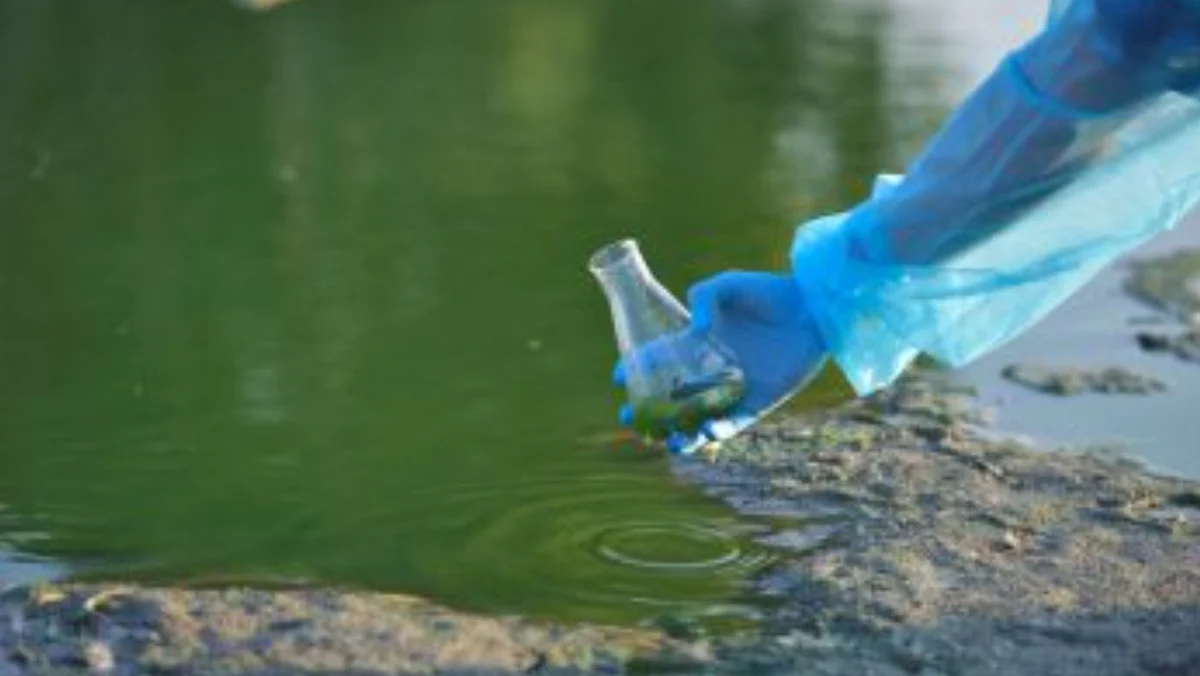
A study from the University of Sussex and UCL, published in Water International in April 2026, updates the picture of arsenic in the household water of Bangladesh.
What the news says
- More than 24 million people are exposed to unsafe arsenic levels in their water supply.
- The arsenic occurs naturally in groundwater, which many households prefer as a source.
- Mitigation measures have reduced exposure.
- The lead author of the study says the health risk 'remains distressingly high'.
Why it matters for the water you drink
Arsenic cannot be seen, smelled or tasted, which makes it dangerous: water that looks perfectly clean can be harmful. It shows why testing and the origin of water matter.
Where AguaPARS fits in
Atmospheric water is not drawn from groundwater, so natural arsenic does not apply. An AguaPARS generator works where air has enough humidity and temperature and there is electricity.
How AguaPARS water is made, and its limits
AguaPARS generators make drinking water by condensing the humidity of the air. The air first passes through a HEPA filter and an activated-carbon filter; the water is kept in contact with UV light and goes through physical, mineral and carbon filtration before it reaches the tap. The analyses of the water generated by AguaPARS, carried out in accredited laboratories in Spain, found no microplastics or chemical contaminants; you can see the reports on our technology page. Limits: the machines need at least 25 % relative humidity and 15 °C, they use electricity (0.24 to 0.42 kWh per litre depending on the model) and they are designed for drinking water, not for irrigation.
Want to know which model fits your home or business? See all models, try the water calculator or contact us.
Source
Source: University of Sussex, 17 April 2026.
This article summarises facts reported by the source above. AguaPARS has not verified them independently. Figures and dates are those of the source.
